
Athlete Monitoring - Understanding the Stress-Response Relationship
Athlete monitoring is often discussed in terms of readiness.
Is the athlete ready to train?
Are they ready to compete?
How are they recovering?
Those are useful questions, but I think they are too narrow to describe what athlete monitoring is actually designed to do. For me, athlete monitoring has always been about understanding the relationship between the stress an athlete experiences and the response that follows.
What stress did we impose on the athlete?
How did they respond to that stress?
What factors might explain that response?
And, perhaps most importantly, what does that information allow us to do differently?
This perspective changes how we design a monitoring system, how we select metrics, how we interpret data, and ultimately how we make decisions. The goal isn't to collect more data or to create a sexier dashboard. The goal is to understand the athlete well enough to make more informed (and hopefully better) decisions.
Start With the Stress–Response Relationship
The foundation for this approach comes from relatively simple concepts concerning training theory.
An athlete experiences a stressor. That stressor disrupts homeostasis and produces a response. With appropriate recovery and repeated exposure, that response can ultimately contribute to adaptive processes that influence training outcomes (e.g., increased strength measures, increased aerobic capacity, improved repeated sprint ability, etc.)
Classic theoretical models such as Hans Selye’s General Adaptation Syndrome and Carl Banister’s Fitness–Fatigue model provide useful theoretical frameworks for understanding the interaction between the training stress, acute and residual responses, adaptive processes, and ultimately a new level of homeostasis or performance. Training produces acute and residual responses, recovery follows, and repeated exposure can contribute to longer-term changes in fitness and performance.
The challenge is that athletes don't all experience the same stress in the same way.
Two athletes can complete the same training session and experience very different physiological, biomechanical, and psychological responses. Similarly, the same athlete can complete the same external workload on two different days and respond differently depending on factors such as nutritional status, training status (what have they done in the past week), fitness level (what have they done in the past few weeks), previous injury (location, severity, recency, and overlap of these factors with the stress being applied), environmental conditions, and a host of other factors.
This is why I don't think we should ask a single metric or a single piece of information to explain the athlete.
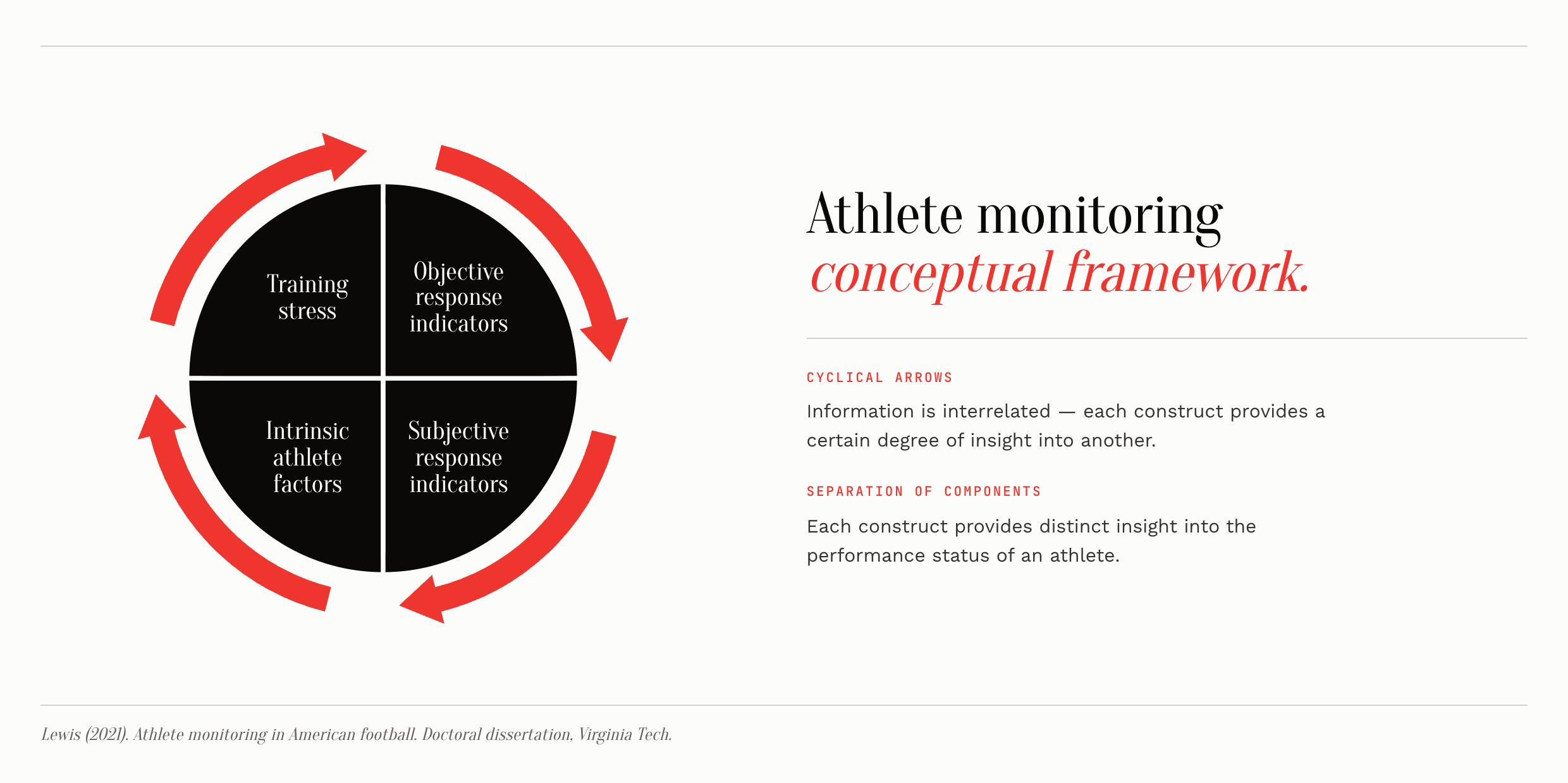
Instead, I use an athlete monitoring framework I developed during my doctoral work (Lewis, 2021), which is built around four interrelated constructs:
Training Stress
Objective Response Indicators
Subjective Response Indicators
Intrinsic Athlete Factors
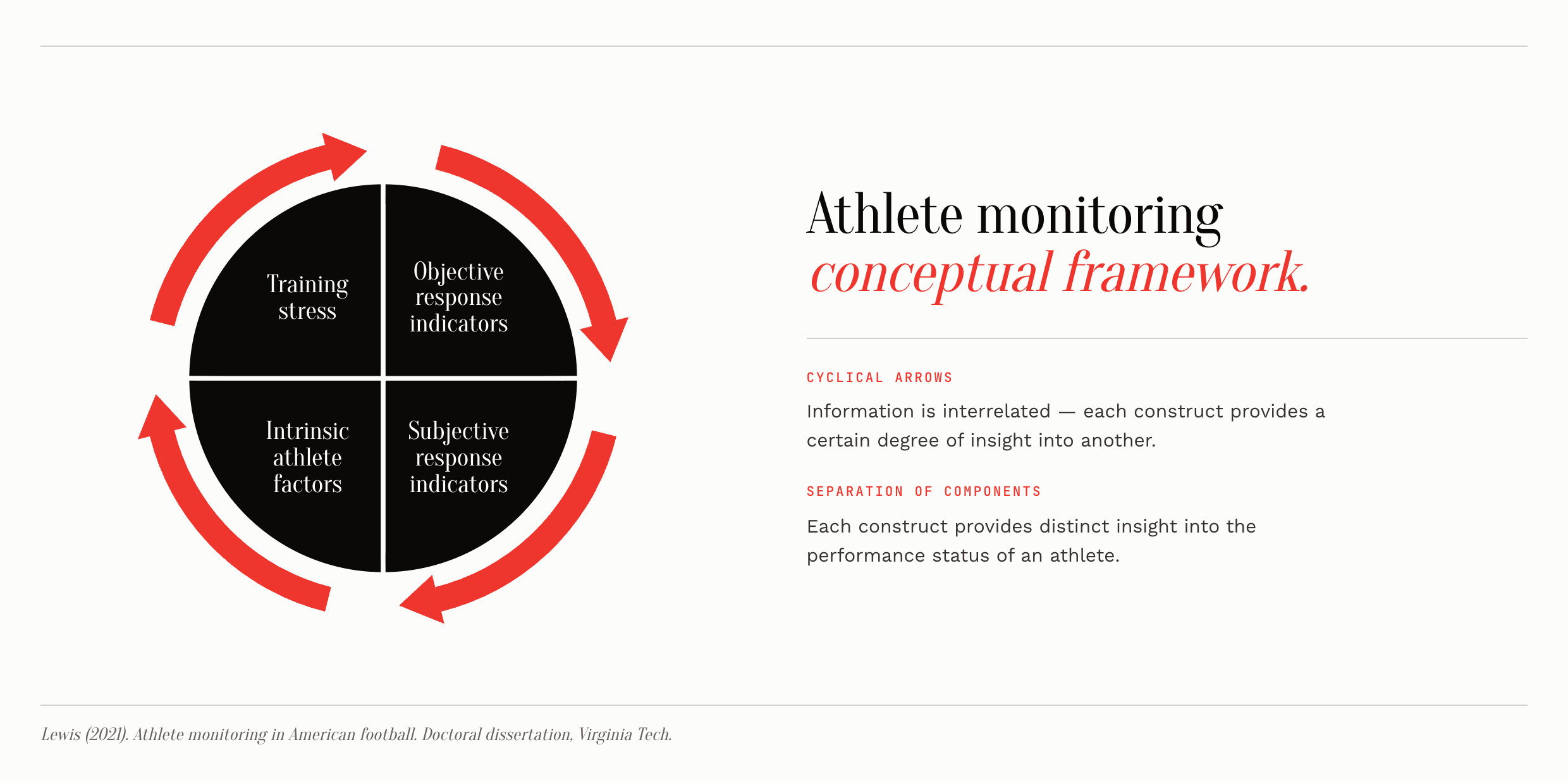
Figure 1. Athlete monitoring conceptual framework. The framework I developed to interpret training stress and subsequent athlete response within the context of the individual athlete.
These constructs provide different pieces of information. They should be separated because each answers a different question, but they should also be interpreted together because the information is inherently related.
The framework is not designed to produce a single "athlete score." Rather, it is designed to help us understand the stress–response relationship within the context of each individual athlete, while allowing for interrelated but distinct information streams to inform decision-making processes.
1. Training Stress: What did the athlete do and how did they respond to the imposed demands within the session?
Training stress describes the work completed by the athlete and how they experienced that work as the stimulus imposed on them.
I think about training stress across three dimensions: external load, internal load, and context.
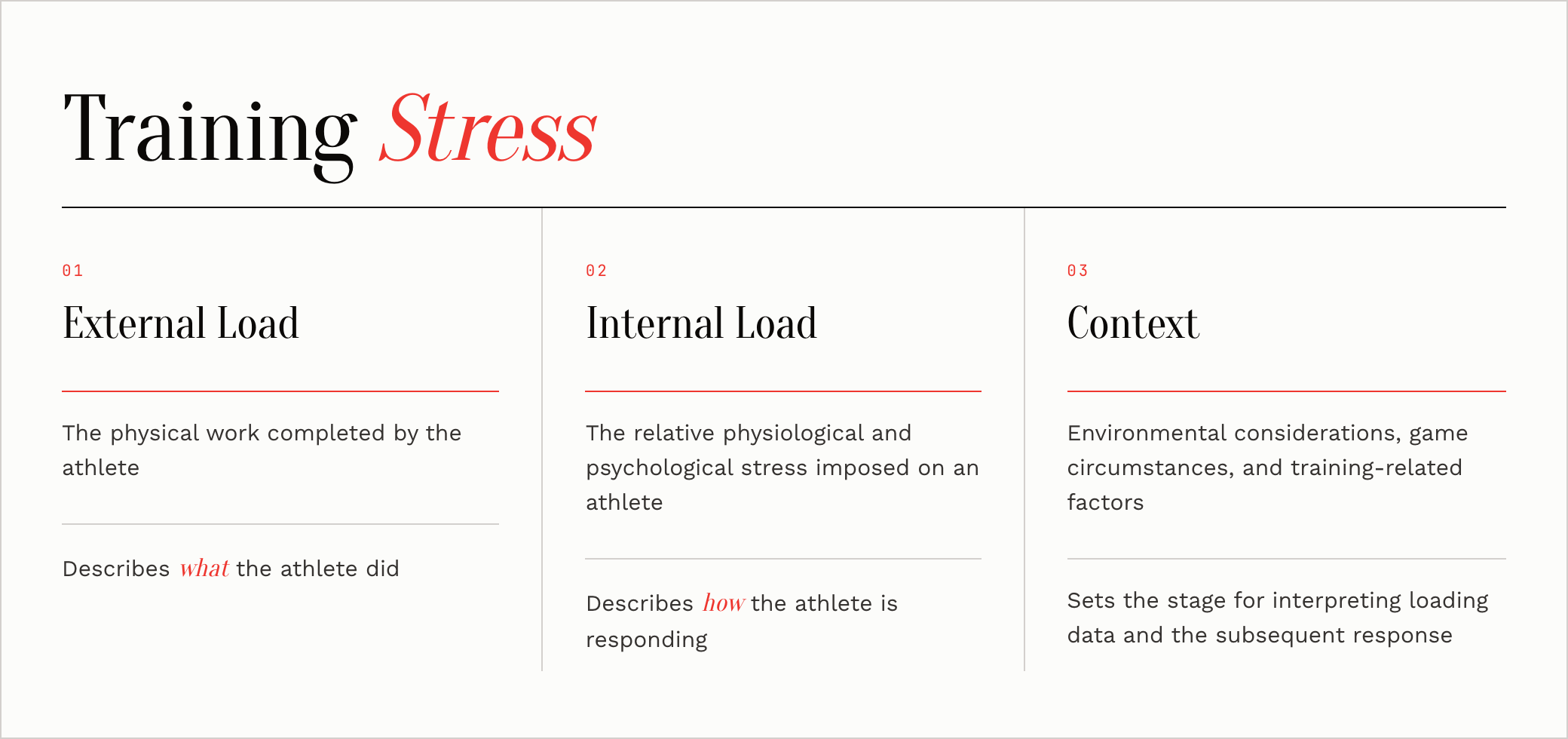
Figure 2. Three dimensions of training stress.
External Load
External load describes the physical work completed by the athlete (Halson, 2014).
Depending on the sport, this might include:
Summative whole body mechanical loads
Distance covered and number of efforts at different velocity or acceleration bands
Accelerations and decelerations (count and magnitude)
Multidirectional movements (count and magnitude)
Collisions and impacts (count and magnitude)
Throws, swings, jumps, or pitches (count and magnitude)
Volume load (sets, reps, weight)
Power output
These metrics can also be organized according to volume, intensity, density, and performance output.
Internal Load
Internal load describes the relative physiological and psychological stress imposed by that work. In other words, how the stress is impacting the athlete's biological systems (Halson, 2014).
Average and peak heart rate
Training impulse (TRIMP) and similar measures combining duration and the heart rate response
Blood lactate measures
Respiratory measures
Rating of perceived exertion (RPE) and sessional RPE (session duration * RPE)
The important distinction is that external and internal load are not interchangeable.
External load tells us about the work performed, while internal load provides information about the physiological response associated with that work.
This distinction is particularly important in sports such as American football, where athletes experience running, acceleration, deceleration, collisions, static force production, and other demands that are not necessarily captured well by a single measure of external load.
Research has demonstrated why relying on one load variable can be problematic. Training consists of multiple physiological, biomechanical, and psychological demands, making it unlikely that a single variable can adequately represent the entire training stimulus (Robinson et al., 2017 and Weaving et al., 2017).
Context
Finally, training stress needs context.
Environmental conditions, game circumstances, training structure, practice type, scheduling, and positional demands can all change the meaning of a given workload.
A high heart rate response during a conditioning session may be exactly what we intended. The same heart rate response during a speed session designed around high-quality efforts and long recoveries may tell us something very different.
The intended stimulus creates the expectation. Monitoring helps determine whether the athlete actually experienced that stimulus.
2. Objective Response Indicators: How did the athlete respond residually and how are they adapting over time?
Objective response indicators provide information about the athlete's response to the training and competition demands they have experienced.
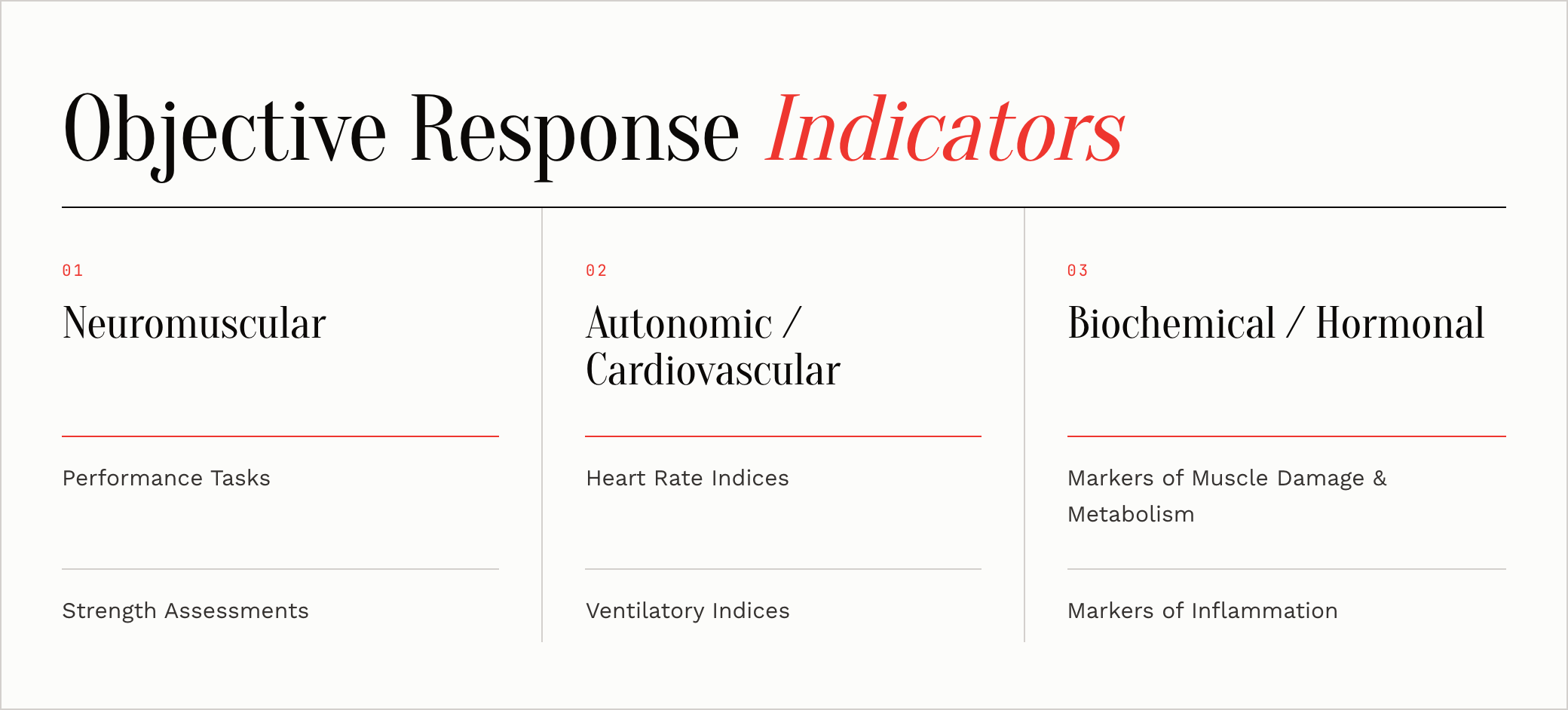
Figure 3. Three dimensions of objective response indicators.
Neuromuscular Response
Performance tasks such as the countermovement jump, the isometric mid-thigh pull, joint-specific isometric strength assessments, and sprint tests have been extensively examined in sporting environments and can provide information about neuromuscular function.
The important point is not simply measuring whether a number went up or down. It is determining whether the change is meaningful relative to the variability of the measurement.
For example, a change in force production should be interpreted relative to measurement error and individual variability. In my approach, I use measures such as the within-individual coefficient of variation (CV) to represent the noise in the measurement, while using the percentage of change to represent the signal.
The signal needs to be greater than noise for the change to be viewed as meaningful. From there, the magnitude of the change relative to the measurement error and variability allows for the extent of the meaningfulness of the signal to be scaled relative to the noise.
This distinction becomes particularly important when interpreting asymmetries.
An acute change in one limb does not automatically mean an athlete has developed an "asymmetry." It means that something about that limb has changed.
Chronic interlimb differences require a much higher level of evidence including consistent directionality, reliable differences over time (signal > noise described above) using within individual measures (not absolute thresholds), and a magnitude that is meaningfully different from what we would expect within the relevant population such as by position or sport (Bishop et al., 2023).
Other statistical measures I use to identify meaningful change in monitoring data include z-scores (within-individual and between-individual), STEN scores, and the smallest worthwhile change (SWC) concept applied at different magnitudes. The statistical approach is determined by the question I’m trying to answer and the dataset.
Autonomic and Cardiovascular Response
Resting heart rate, heart rate variability (HRV), and other cardiovascular measures can provide another perspective on response.
Importantly, the same tool can answer different questions depending on when and how it is measured.
Heart rate during practice can contribute to our understanding of internal training stress. Meanwhile, resting heart rate and HRV collected outside the training session can provide insight into the residual response following training and competition, while capturing the influence of systemic stress on the autonomic nervous system.
Biochemical and Hormonal Response
In some environments, biochemical measures can provide additional information regarding muscle damage, metabolism, inflammation, or endocrine responses.
These aren't necessary for every monitoring system. Again, the question should be whether the information is useful for the decision we are trying to make.
3. Subjective Response Indicators: What is the athlete telling us and how does it align with objective data?
Objective measures are valuable, but they don't capture everything that influences how an athlete experiences and responds to training.
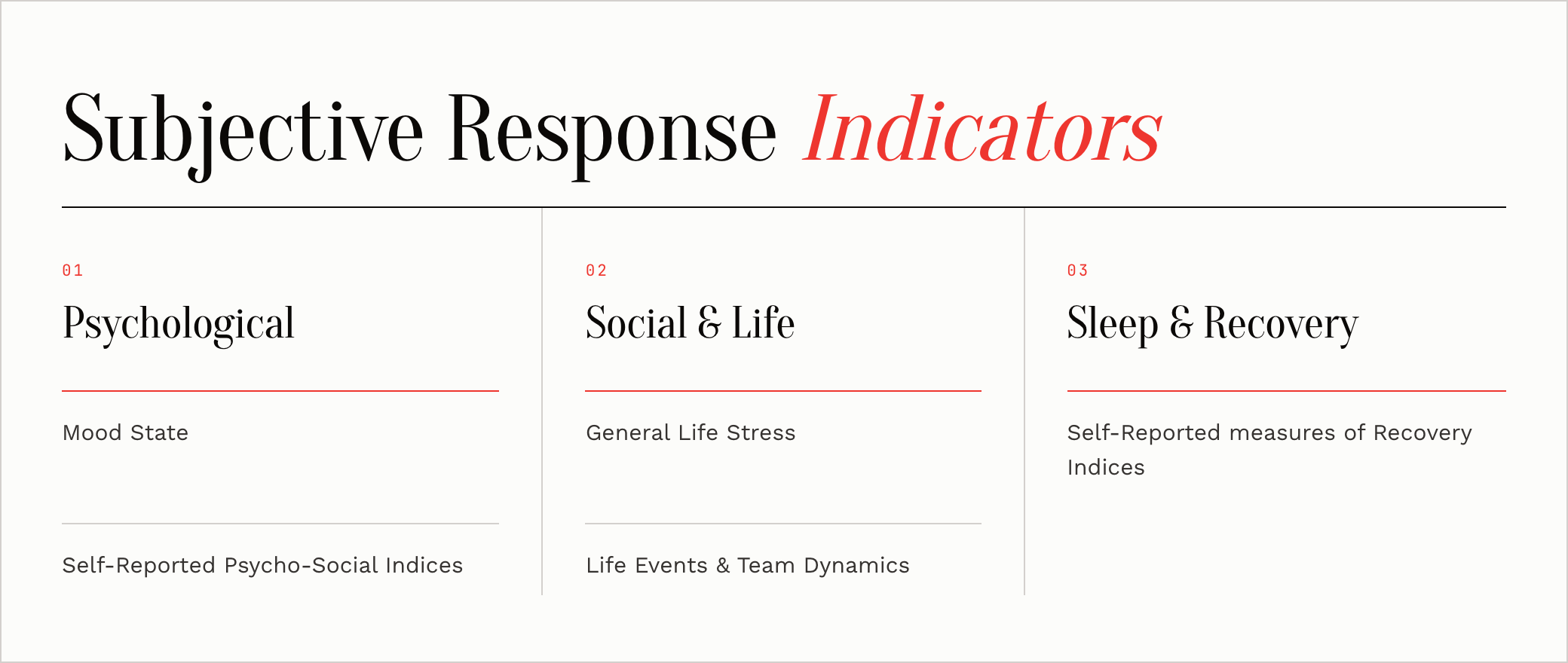
Figure 4. Three dimensions of subjective response indicators.
Subjective measures can include information about:
Fatigue (as a representation of the interaction of different types of fatigue based on athlete perception)
Muscle soreness (can indicate tissue damage from more biomechanical stress that is difficult to capture elsewhere)
Sleep quality and quantity (is related to recovery broadly, can detect patterns that indicate overreaching, and has been linked to a range of performance outcomes and measures of cognitive function)
Mood (detects distress that can indicate overtraining and can reflect the interaction of training stress and non-training related factors)
General stress (captures non-training related stress that can reflect academic, social, or general life stress)
Perceived recovery (provides insight into the interaction of training and competition demands and the psychophysiological response to those demands as perceived by the athlete)
Specific areas of soreness (to help practitioners be proactive and more effectively intervene, while also giving insight into site-specific tissue disruption)
One example is a simple wellness questionnaire.
The questionnaire I have commonly used assesses five dimensions on a 1-5 scale in increments of 0.5 and assesses general stress, fatigue, mood, sleep quality, and general soreness. I adapted it to add sleep quantity and a specific area of soreness or discomfort. It was adapted from the work of McLean and colleagues, who demonstrated the utility of combining perceptual, neuromuscular, and endocrine measures when monitoring responses to different between-match microcycles (McLean et al., 2010).
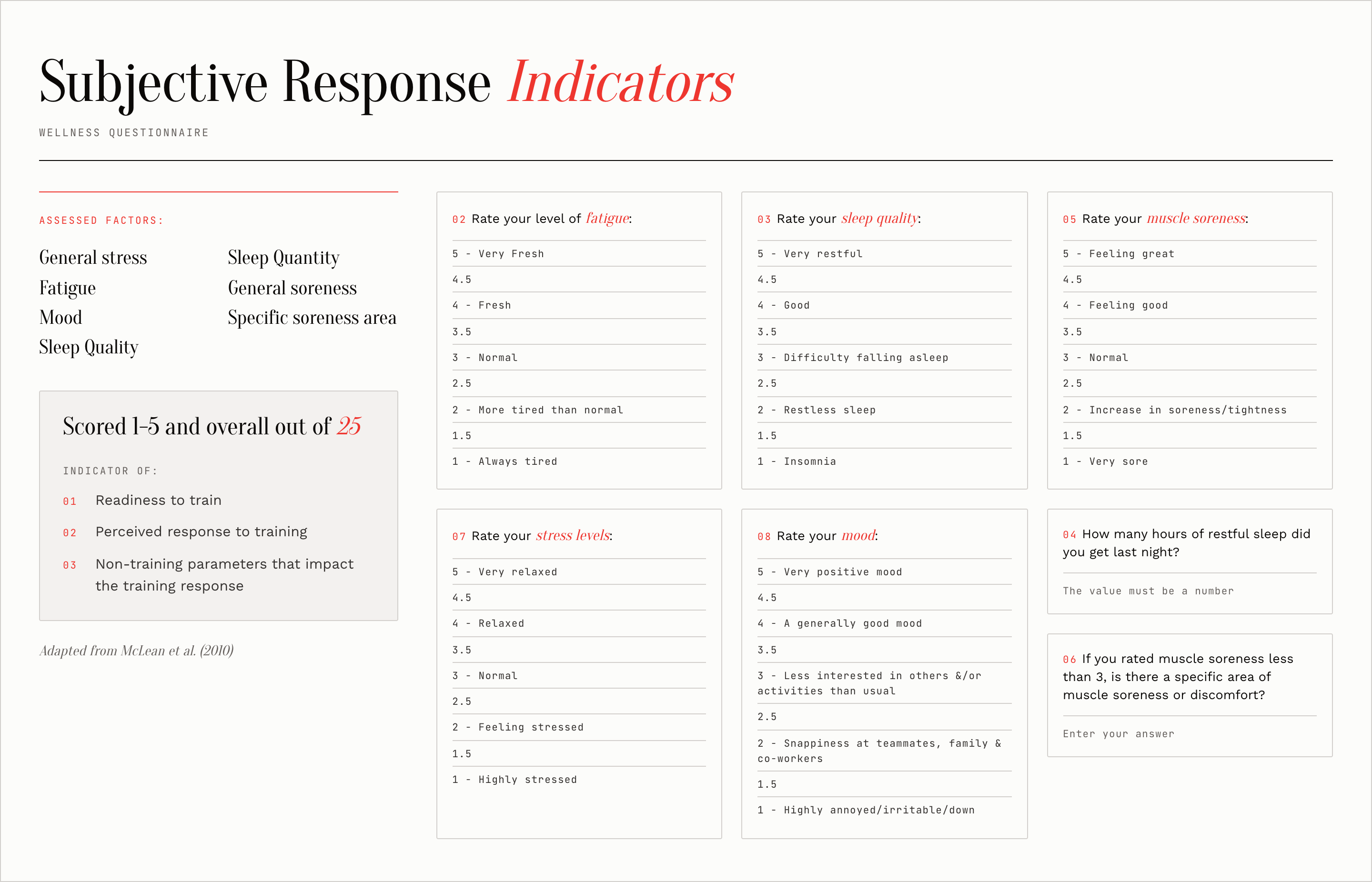
Figure 5. Wellness questionnaire that I adapted from McLean et al. (2010).
But the value of subjective information isn't that it gives us another "recovery score."
It can tell us why an athlete may be responding differently.
Imagine an athlete completes a normal training session with no meaningful difference in loading parameters, but reports poor sleep, elevated general stress, and increased fatigue the following morning.
The training stress itself may not have changed. However, the athlete's context has and that has influenced their ability to tolerate those demands the same way they normally would.
Alternatively, an athlete may experience a large increase in external load, but report feeling normal with objective response indicators also remaining within their normal ranges.
That doesn't necessarily mean the workload was inappropriate. It may indicate the athlete is tolerating the demands well.
Subjective information gives us another lens through which to understand the stress–response relationship.
4. Intrinsic Athlete Factors: Who is this athlete?
The fourth question may be the most important. Essentially, we are asking, “how should we interpret this information given who this athlete is?”
This is where intrinsic athlete factors enter the framework.
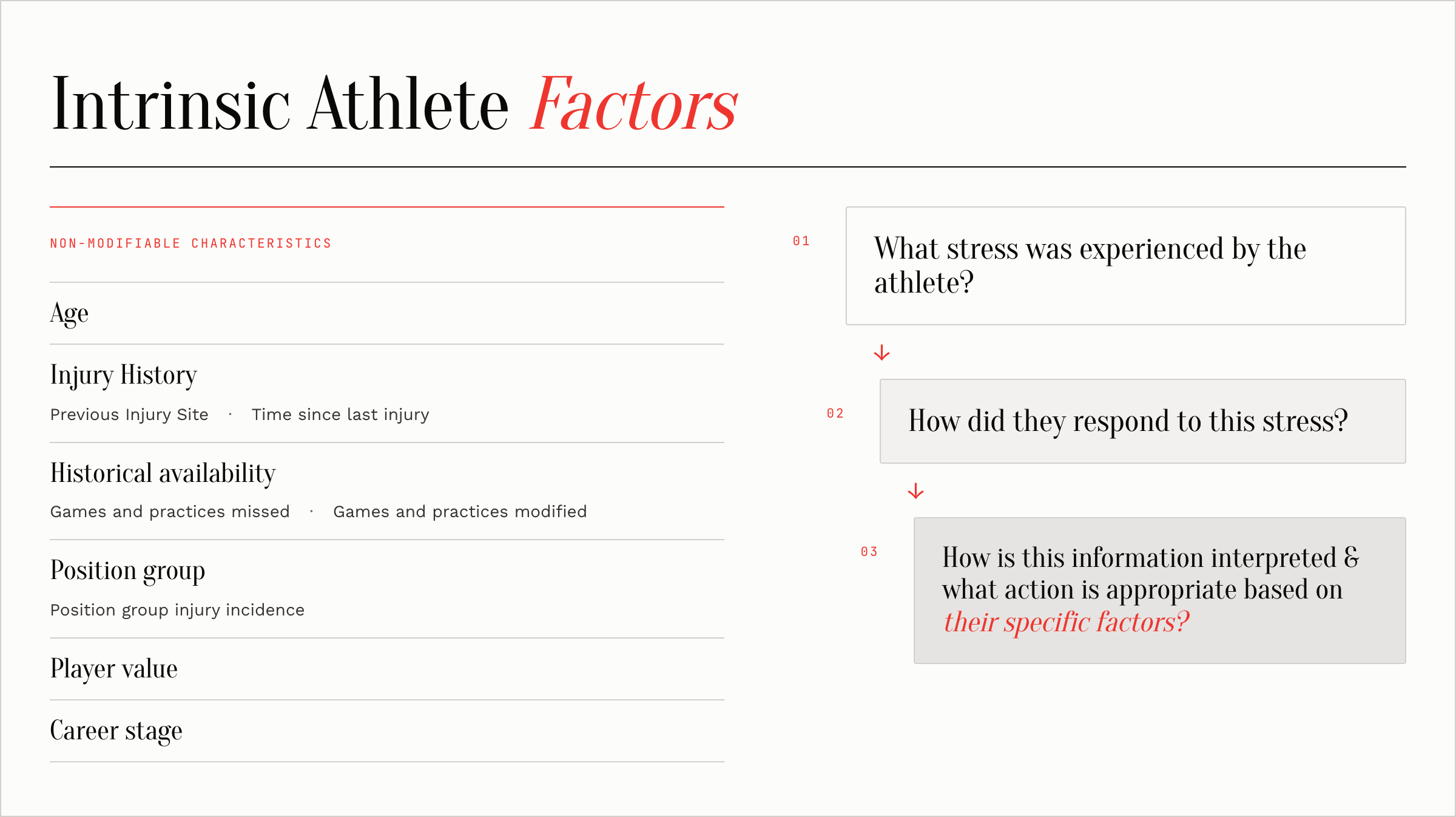
Figure 6. The role intrinsic athlete factors play in my athlete monitoring framework.
The same response can have very different implications for different athletes.
Relevant factors may include:
Age
Injury history
Previous injury site
Time since injury
Position/job description
Positional demands
Historical availability
Previous missed or modified training
Career stage
Current training status
This is not an exhaustive list of potential intrinsic factors, rather it provides a foundation to start from when determine the intrinsic factors most relevant in your context. In my framework, these factors aren't another score that gets added to a dashboard.
They provide context for interpretation.
For example, a meaningful reduction in hamstring force production means something different when it occurs in:
a healthy athlete with no history of hamstring injury, versus
an athlete who had a hamstring strain eight weeks ago and is now being exposed to increased high-speed running and sprinting demands.
The response hasn't necessarily changed, but our interpretation of the response has.
That is why the fundamental flow of questions in my framework is:
“What stress did the athlete experience?”
followed by:
“How did they respond?”
and finally:
“How should that information be interpreted based on their specific factors?”
The Importance of Time
Another important consideration is when the response occurs. Not every response happens at the same rate. Some responses occur during the training session, while others emerge immediately after the stimulus. Meanwhile, others may not become apparent until the following day or over a longer period of time. This distinction is particularly important when considering physiological and biomechanical responses.
Different biological systems can have different response and adaptation rates. Robinson and colleagues (2017) highlighted this distinction between physiological and biomechanical load-adaptation pathways, emphasizing that different systems and tissues may respond and adapt at different rates.
So, when we monitor an athlete, we shouldn't only examine the stress applied today and the subsequent response. We must also examine the stress that has been applied over time and the observed responses in different information streams over time.
A single data point can be interesting, but patterns and trends can paint a much better picture of what is happening and allow for a better understanding of the interaction between the stress-response relationship, adaptative processes, and downstream training and performance outcomes.
Technology Should Serve the Framework
Once the questions are defined, we can start thinking about technology.
Not the other way around.
One of the biggest mistakes I see in athlete monitoring is starting with the technology:
"We have GPS. What should we measure?"
"We bought force plates. What should we look at?"
"We have HRV. What should the score be?"
As we wrote in the Sport Science Handbook, I prefer the following sequence.
What decision are we trying to make?
What information would help us make that decision?
What tool can provide that information?
This is the same decision-making process I have used in designing monitoring systems.
Define the purpose
Identify the key decisions
Identify the information needs
Collect the data.
The technology should fit the question and the environment. A measure may be scientifically interesting, but operationally useless if it takes two days to process and doesn’t inform a decision.
Another measure may be less sophisticated but incredibly valuable because it can be collected consistently, interpreted quickly, and directly influence a decision.
Technology should support decision-making, not drive it.
Don't Just Look for Convergence. Pay Attention to Divergence.
One of the most useful aspects of an integrated monitoring system is the ability to examine how information streams relate to one another.
Sometimes they converge.
An athlete experiences an increase in external load, an increase in internal load, a reduction in neuromuscular performance, while reporting increased soreness and poor sleep.
Those signals are telling a relatively consistent story. Our confidence in the interpretation increases and our conviction in an intervention increases.
But sometimes the information diverges.
Consider an athlete who experiences a meaningful increase in external load during practice with a meaningful increase in high-speed running, sprinting volume, and acceleration volume.
Based on the external load data alone, it might appear that the athlete experienced a substantially greater training stimulus than normal.
However, the athlete's heart rate response is within their normal range. The following morning, resting heart rate and HRV are also within their individual normative ranges. Neuromuscular performance is unchanged, and the athlete reports normal fatigue, soreness, and sleep compared to their normative ranges.
The information streams don't tell the same story, but that's not necessarily a problem.
In fact, the divergence of information streams may be one of the most valuable pieces of information we have.
The athlete clearly experienced a different external stimulus, but we don't have evidence that this resulted in a meaningfully different response.
I would not automatically reduce the athlete's training simply because the external load increased. Instead, I would interpret the increased workload alongside the response data and consider whether the athlete appears to be tolerating the stimulus appropriately.
This distinction is important because a high external load is not automatically an excessive load.
Training requires stress to produce adaptation. The purpose of monitoring is not to minimize stress. It is to understand the relationship between the stimulus and the response so that we can determine whether the stimulus is producing the response we intended.
There are other forms of divergence that may lead to a different conclusion.
For example, an athlete may complete a relatively normal external load, but demonstrate an elevated cardiovascular response, suppressed HRV, increased muscle soreness, and report poor sleep.
In that case, the external load may not explain the response.
That should prompt us to investigate other factors such as environmental conditions, accumulated fatigue, illness, travel, or life stress.
Divergence shouldn't automatically trigger an intervention. It should trigger a question.
“Why don't these information streams agree?”
“What does each measure actually tell us?”
“Is the athlete responding differently, or is one of our assumptions about the stimulus incorrect?”
Sometimes, the most valuable information in a monitoring system isn't when everything agrees. It's when it doesn't.
Convergence increases confidence in the interpretation and conviction in the intervention. Divergence increases curiosity and provides an opportunity to start asking more specific questions about the athlete and their data.
Putting the Framework Into Practice
Consider a football player who has:
A meaningful increase in high-speed running and sprinting volume
A meaningful reduction in hamstring force production
A history of hamstring injury 8 weeks earlier
A positional role that requires high-speed running
Increased muscle soreness
Reduced sleep quality
No individual piece of information tells us what to do. But together, they create a much clearer picture.
The external load tells us the athlete experienced a meaningful increase in specific mechanical demands.
The objective response tells us something changed in a tissue and functionally relevant capacity.
The subjective response suggests the athlete is experiencing additional fatigue and reduced recovery.
The intrinsic factors tell us that the athlete has a recent injury history and that the changed loading directly relates to their positional demands.
Now we have something actionable.
Perhaps we reduce high-velocity exposures, while maintaining availability in lower risk portions of practice. Perhaps we conduct additional site-specific assessment and compare to their data after completing rehab. Perhaps we modify recovery strategies and attempt to reduce the inflammatory response associated with the reported muscle soreness (perceived tissue damage) of the lower body.
The intervention isn't dictated by one metric. Rather, it comes from the interpretation of the relationship between the stress, the response, and the individual athlete.
Six Principles I Use When Building an Athlete Monitoring System
After years of athlete monitoring, there are several principles I continually come back to.
1. Start with the question.
Know what you want to understand before deciding what to measure.
2. Establish the intended stimulus first.
The training or practice plan creates an expectation for the stress the athlete should experience. Monitoring helps determine whether that expectation was met.
3. Prioritize the individual.
Within-athlete comparisons and individual normative ranges are often more useful for longitudinal interpretation than applying the same threshold to every athlete.
4. Don't interpret metrics in isolation.
A metric rarely tells the entire story. Leverage distinct, but interrelated information streams that can paint a better picture of what is occurring.
5. Look for convergence before intervening.
One unusual value may warrant investigation. Multiple independent signals pointing in the same direction increase confidence that something meaningful is occurring.
6. Treat divergence as information.
When information streams disagree, don't automatically force them into agreement.
Ask why. That question may ultimately provide more useful information than the original metric.
The Goal Isn't More Data
The athlete monitoring landscape has become increasingly sophisticated. We can measure more things, more frequently, with greater precision than ever before, but the availability of information doesn't automatically make our decisions better.
In fact, more information can make decision-making harder if we haven't established what the information means or how it will be used. Recent work has similarly emphasized multidimensional monitoring, context, longitudinal interpretation, and the importance of using monitoring as a decision-support process rather than as a stand-alone determinant of performance (Rebelo et al., 2026).
That is ultimately what I want this framework to provide.
This framework isn’t here to produce a readiness score or to help build a sexier dashboard with more radar graphs and scatterplots. And this framework certainly isn’t here to justify more technology purchases and expanded metric utilization.
Instead, this framework is to help practitioners think about the data they are collecting and how to better leverage information they are currently collecting to make more informed decisions.
Think about: 1) what stress did the athlete experience, 2) how did they respond, 3) what factors might explain that response, and 4) what should we do with that information?
Readiness can certainly be one of the outcomes we are interested in understanding. It can help inform a training or competition decision, but readiness or any other outcomes is not the organizing construct. The organizing construct is a better understanding the stress–response relationship.
And when we understand that relationship over time, within the context of the individual athlete, athlete monitoring becomes much more than measurement. It becomes the support system for better decision-making.
The goal isn't to collect more data. The goal is to use the data collected to make more informed (and hopefully better) decisions.
References
Bishop, C., Keijzer, K. L., Turner, A., and Beato, M. (2023). Measuring interlimb asymmetry for strength and power: a brief review of assessment methods, data analysis, current evidence, and practical recommendations. Journal of Strength and Conditioning Research, 37(3), 745-750.
Halson, S. L. (2014). Monitoring training load to understand fatigue in athletes. Sports Medicine, 44 (Suppl 2), S139-S147.
Lewis, M. T. (2021). Athlete monitoring in American football. Doctoral Dissertation, Virginia Tech.
McLean, B. D., Coutts, A. J., Kelly, V., McGuigan, M. R., and Cormack, S. J. (2010). Neuromuscular, endocrine, and perceptual fatigue responses during different length between-match microcycles in professional rugby league players. International Journal of Sports Physiology and Performance, 5, 367-383.
Rebelo, A., Bishop, C., Thorpe, R. T., Turner, A. N., and Gabbett, T. J. (2026). Monitoring training effects in athletes: a multidimensional framework for decision-making. Sports Medicine, 56(7), 1603-1624.
Vanrenterghem, J., Nedergaard, N. J., Robinson, M. A., and Drust, B. (2017). Training load monitoring in team sports: a novel framework separating physiological and biomechanical load-adaptation pathways. Sports Medicine, 47(11), 2135-2142.
Weaving, D., Jones, B., Till, K., Abt, G., and Beggs, C. (2017). The case for adopting a multivariate approach to optimize training load quantification in team sports. Frontiers in Physiology, 8, 1024.