Airborne Infantryman
United States Army
Enlisted as a teenager. Deployed in support of Operation Iraqi Freedom and Operation Enduring Freedom.
I’ve always been fascinated by human performance.
How does the human body respond to physical training and stress? How does the human body change as a result of physical training? How does manipulation of different training variables influence different training goals and outcomes? How do we optimize health, performance, and longevity? What role do other factors such as sleep, nutrition, and recovery modalities play in the training process and how can those factors be manipulated to optimize health and performance outcomes?
Those questions have shaped much of my life and career.
My path to answering them hasn’t been a conventional one.
I grew up in southwest Virginia and spent part of my childhood in foster care. There were periods when I experienced homelessness and there was a constant uncertainty about what the future might hold. Those experiences taught me resilience, perspective, and an appreciation for opportunities that I never take for granted.
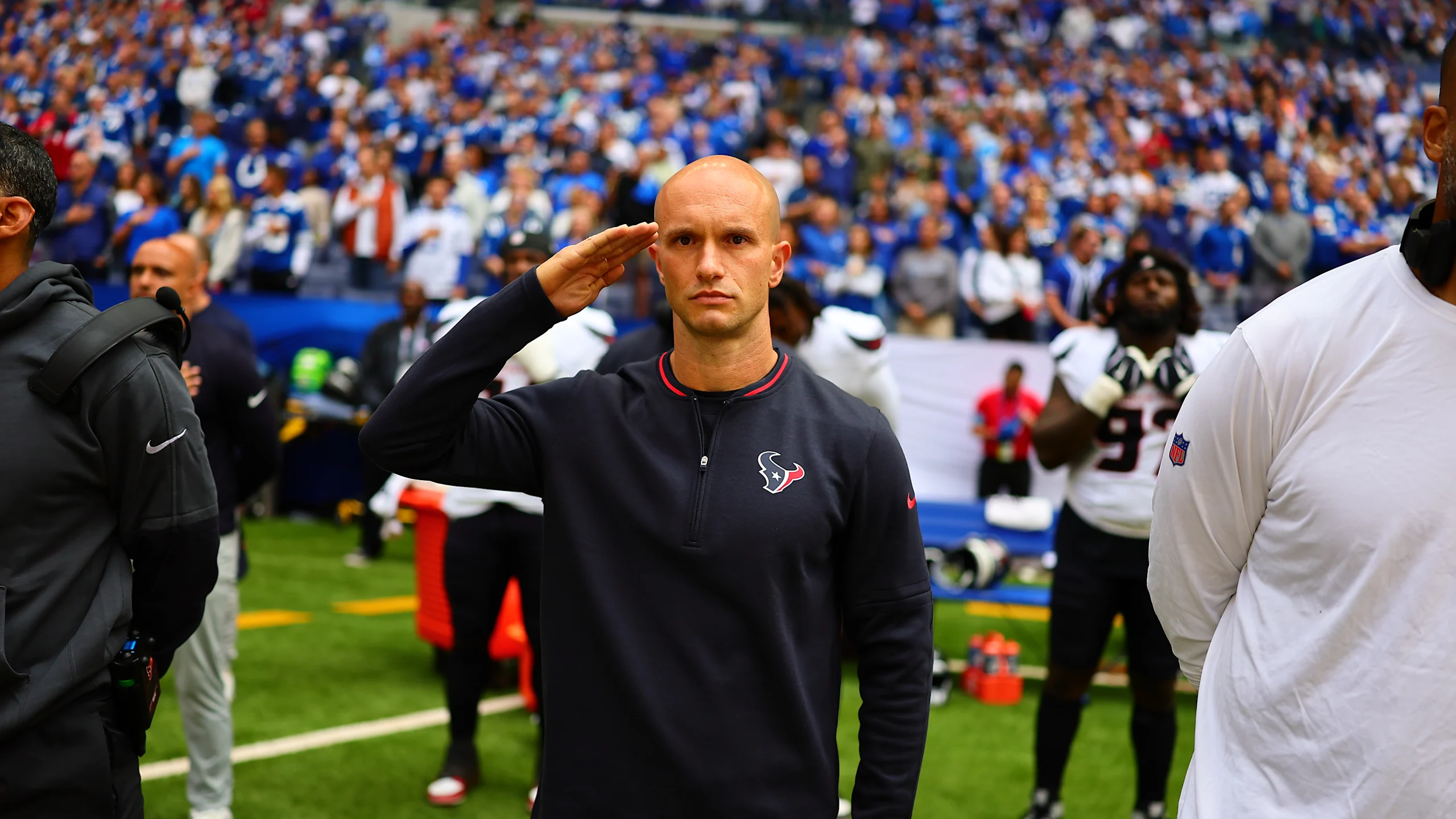
After becoming an emancipated minor and obtaining my GED, I served as an Airborne Infantryman in the United States Army and deployed to Iraq. The military taught me discipline, accountability, and the importance of working toward something bigger than yourself. It also reinforced a lesson that continues to guide me today: difficult circumstances do not define your future.
While in the Army, I became deeply interested in health, fitness, and performance. I wanted to understand the body’s response to training, while exploring how different training variables could be manipulated to enhance health and performance outcomes. That curiosity eventually led me to an undergraduate degree in Health and Exercise from Wake Forest University, on to graduate school in applied exercise physiology at the University of South Carolina, and on to a Ph.D., all the while working concurrently in the fitness industry, strength and conditioning, sport science, and research.
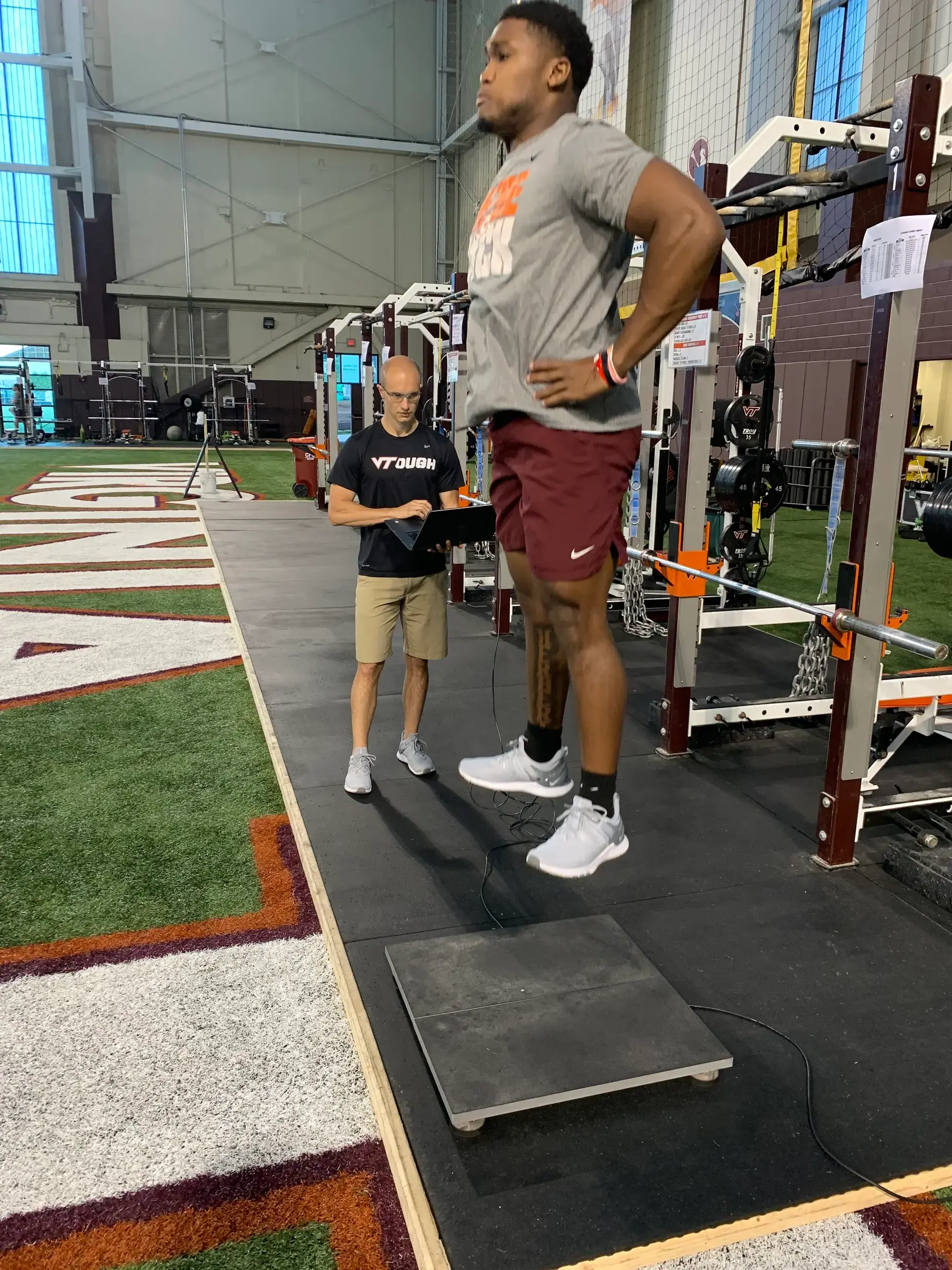
I earned my Ph.D. in Exercise Physiology and Metabolism from Virginia Tech where I conducted research in athlete monitoring and recovery, while working as both a strength coach and sport scientist. Throughout my academic and professional journey, I have always been drawn to the space where science meets application, and evidence can be translated into meaningful decisions that improve outcomes in the real world.
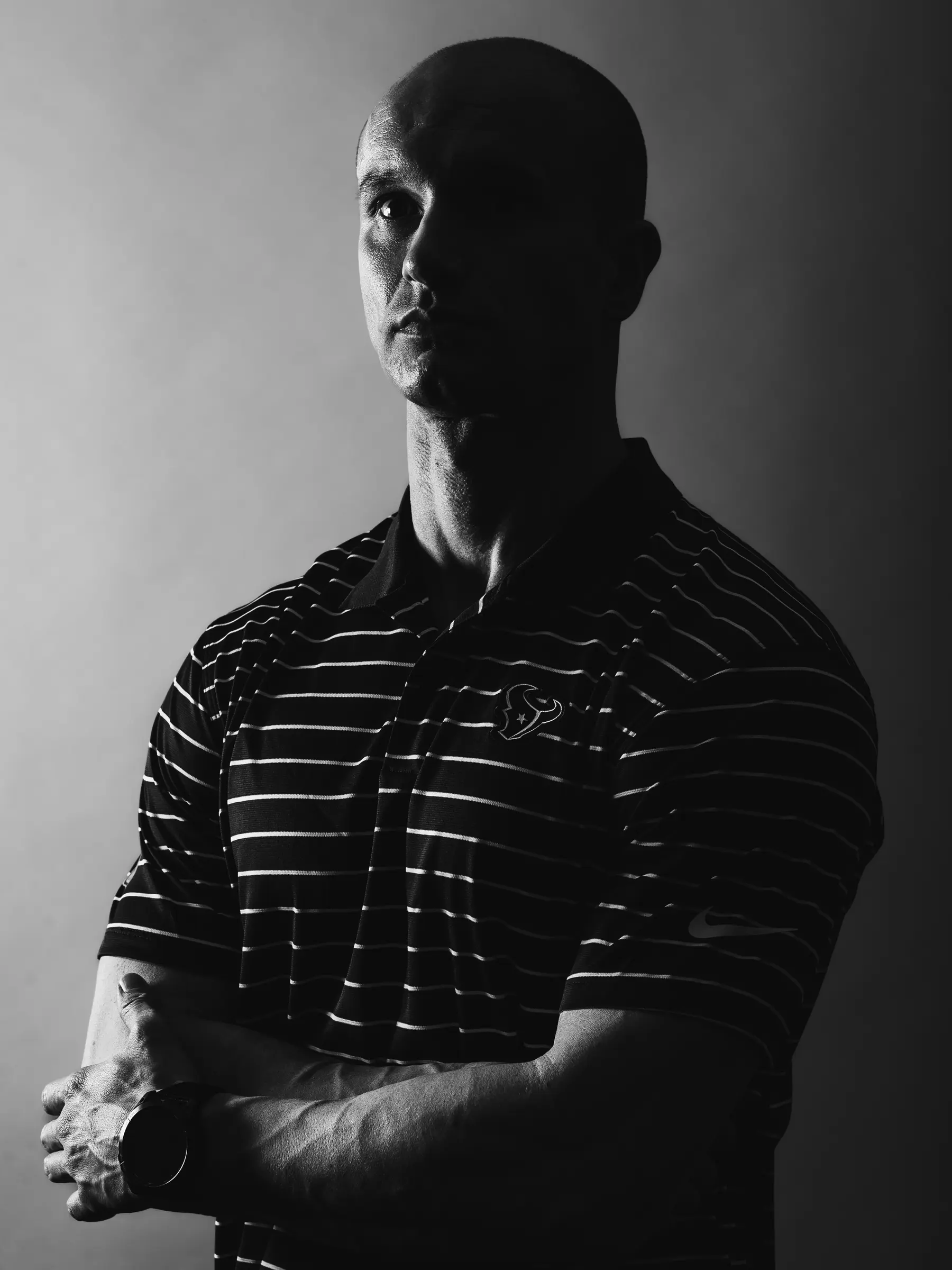
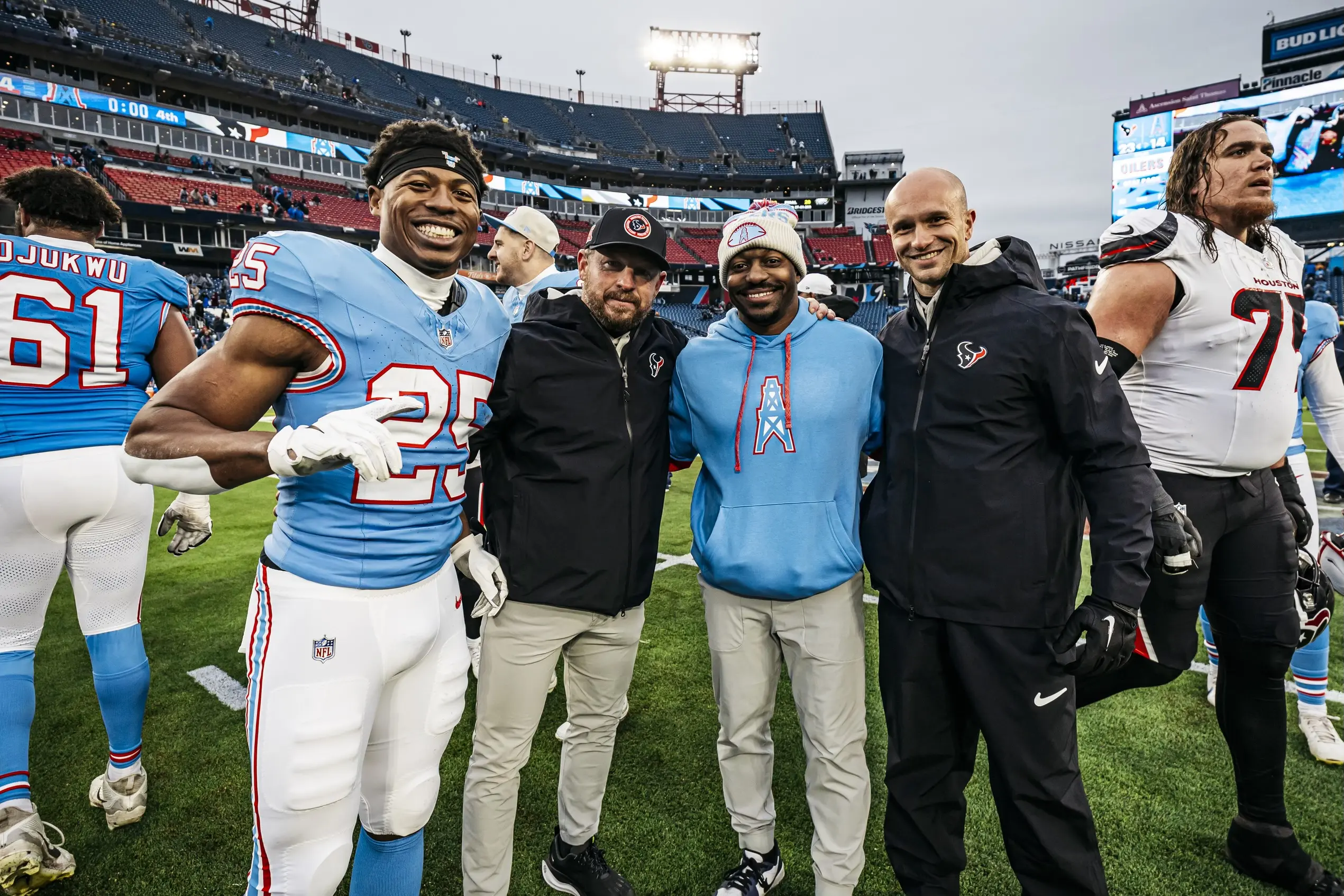
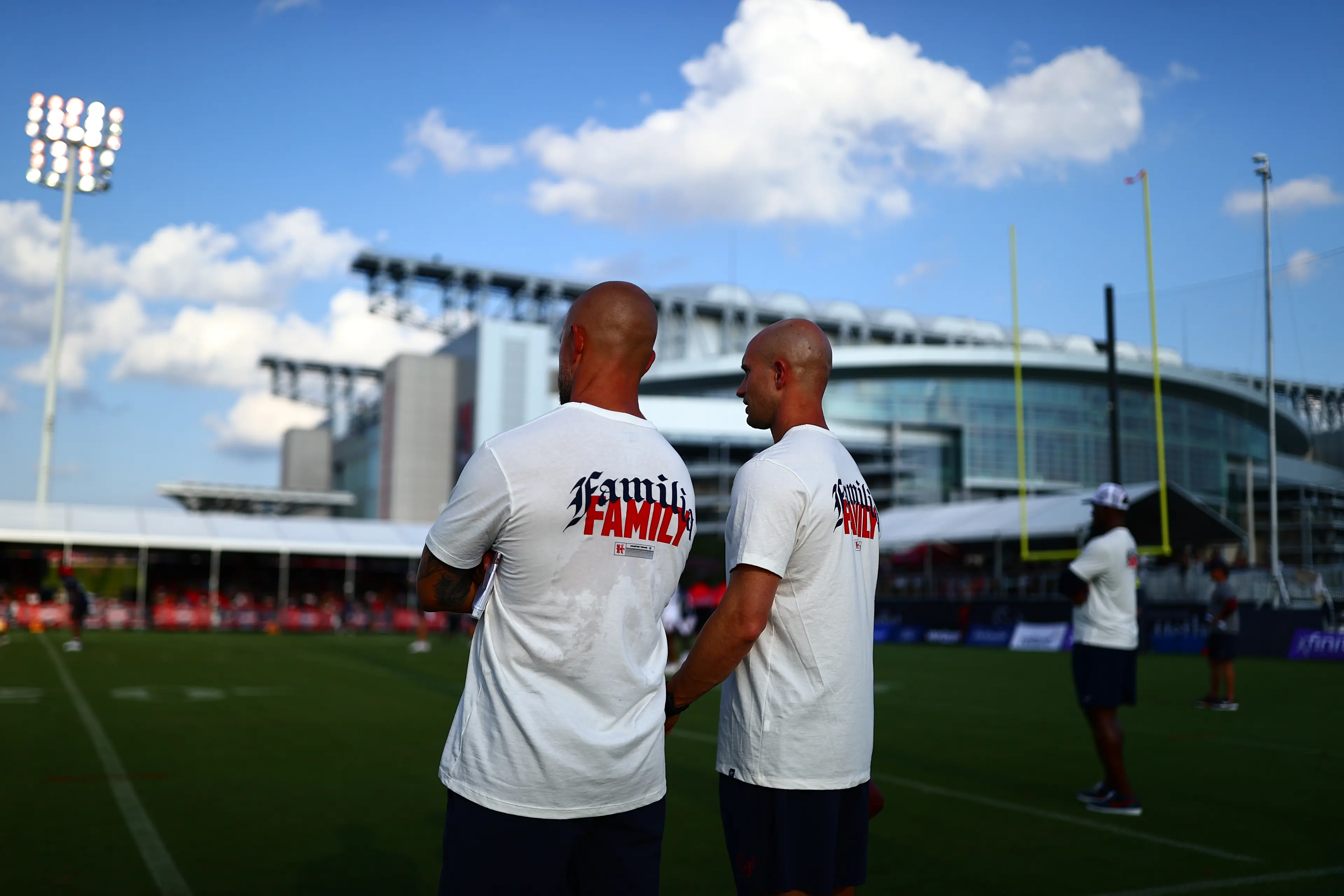
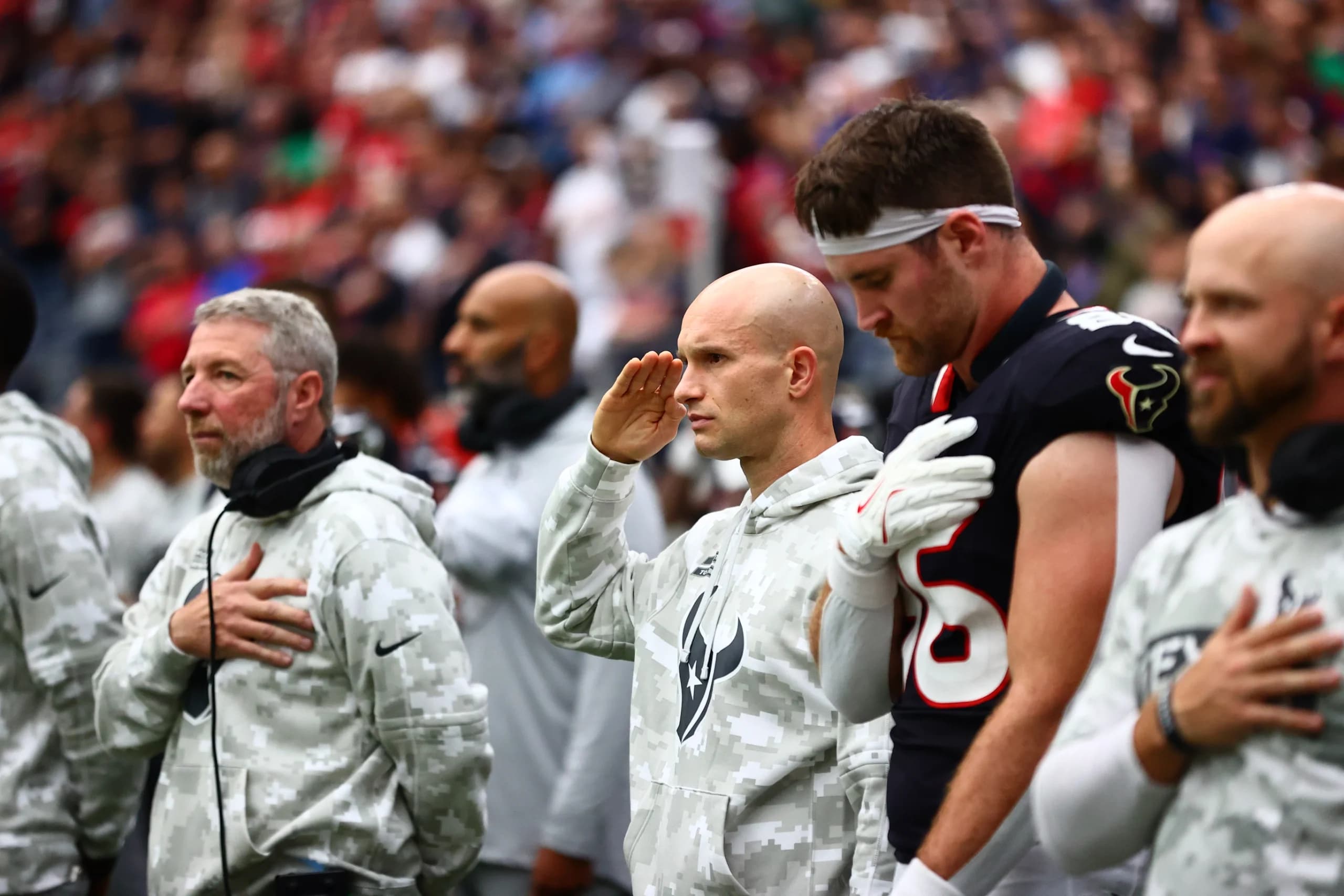
After serving in sport and performance science leadership positions at Virginia Tech and Penn State, I served as the Director of Applied Sport Science for the Houston Texans in the NFL. While my work took place in one of the world’s most demanding performance environments, the questions that drove me remained much larger than sport. Every day, I had the opportunity to collaborate with coaches, athletic trainers, dietitians, and performance professionals to better understand how people perform, recover, adapt, and stay healthy over time.
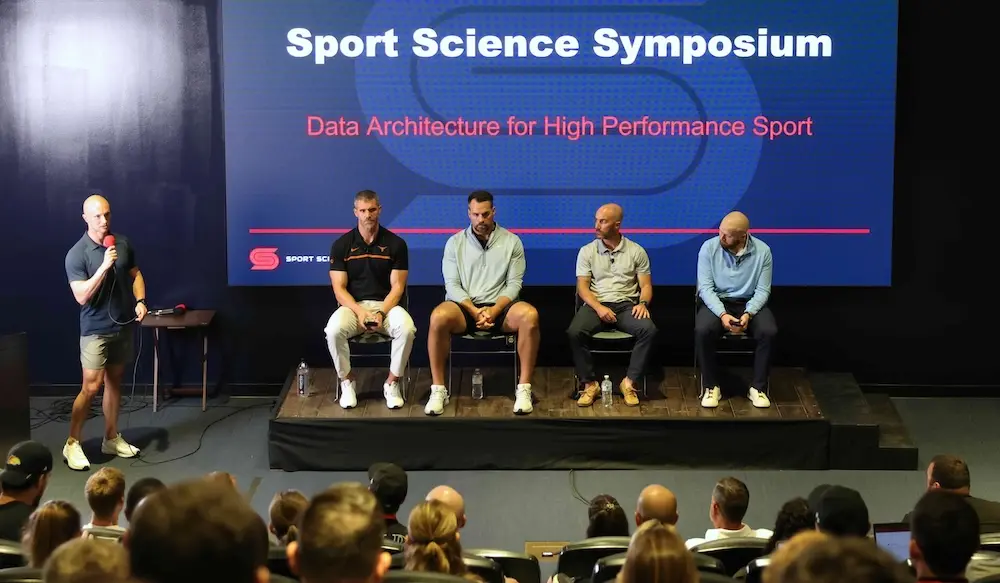
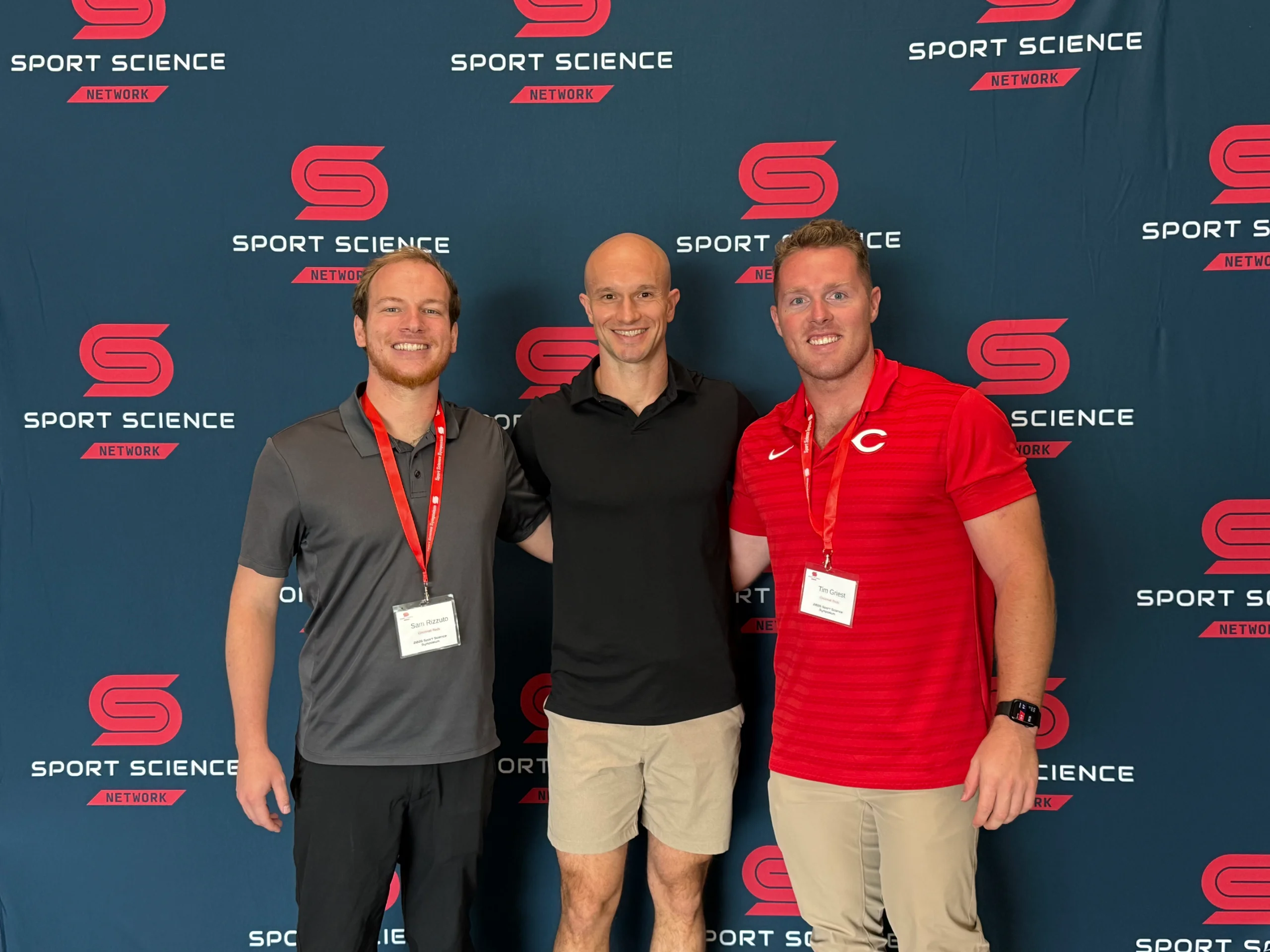
Beyond my role in professional sports, I’m passionate about education and community building. I co-founded the Sport Science Network to help connect researchers, coaches, practitioners, and students who share a common goal: using science to improve performance and health. I also co-authored The Sport Science Handbook to help bridge the gap between research and practice.
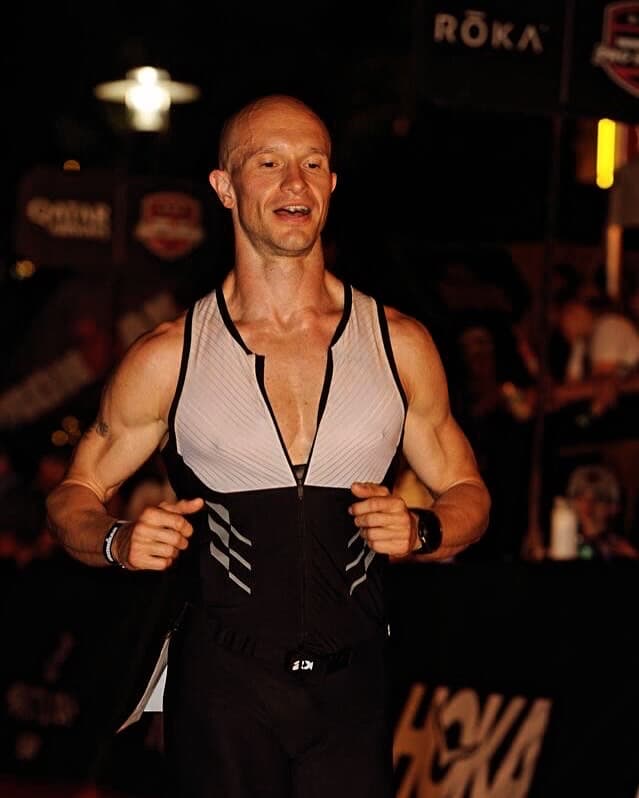
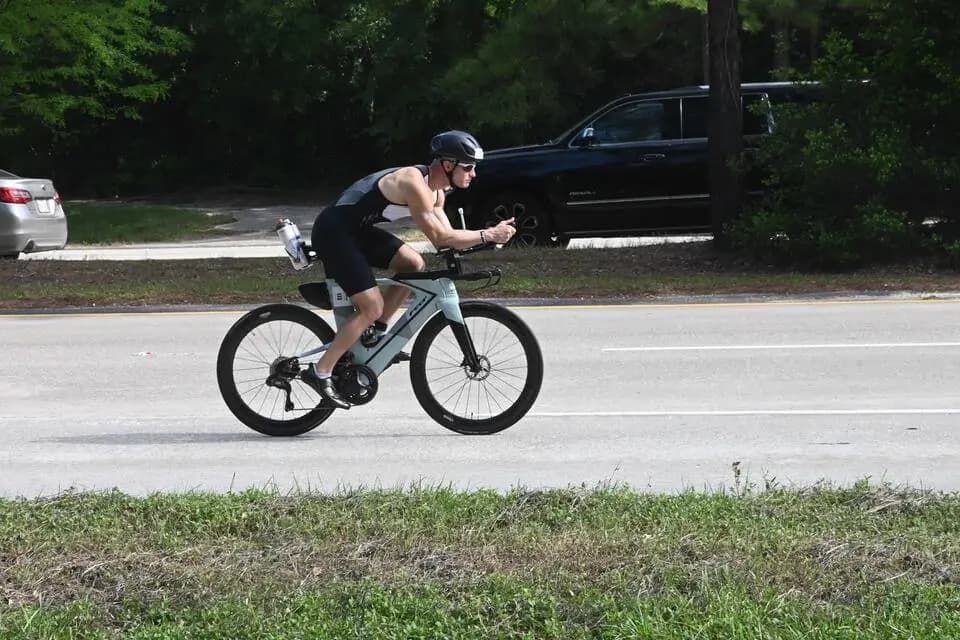
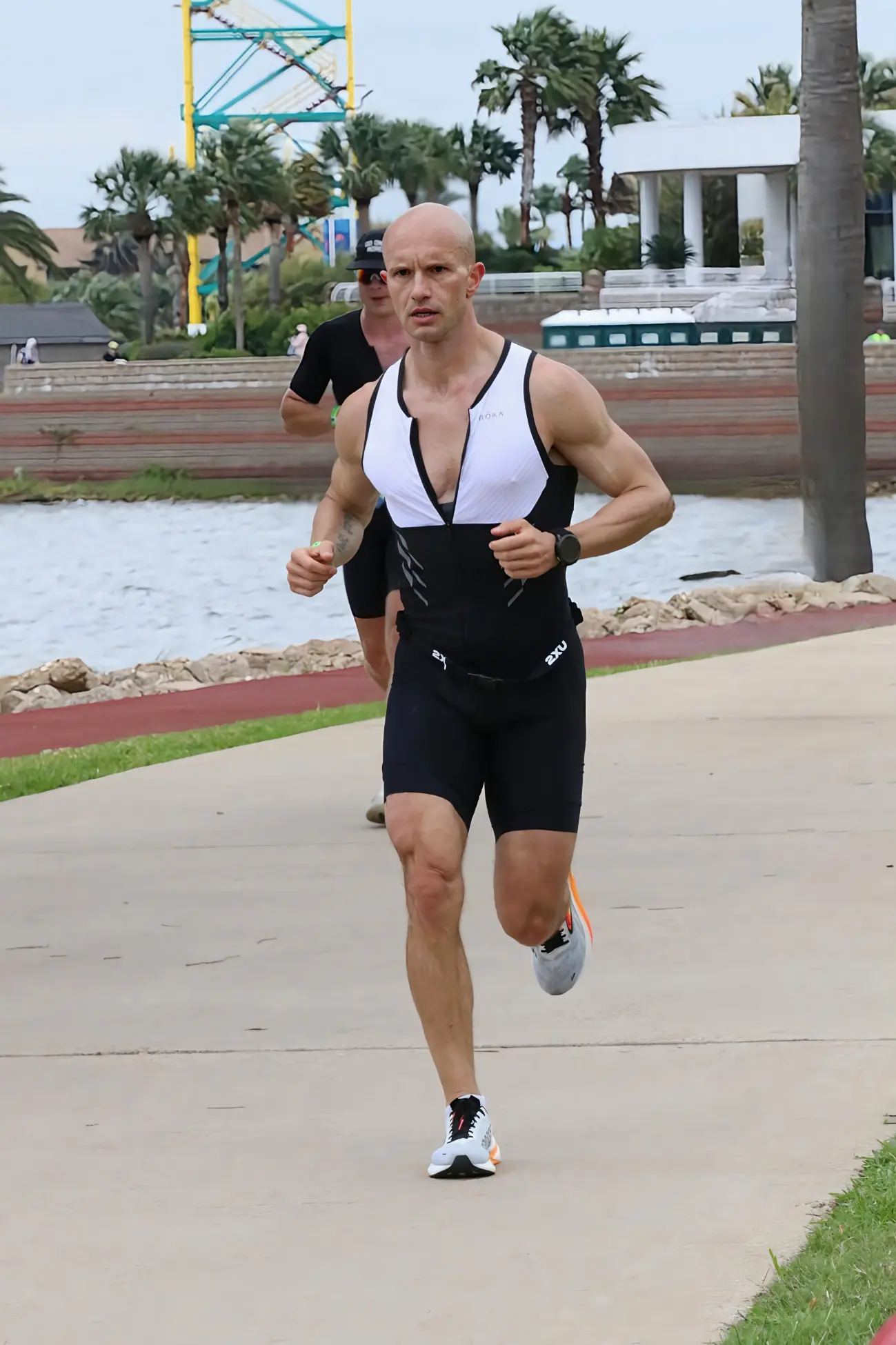
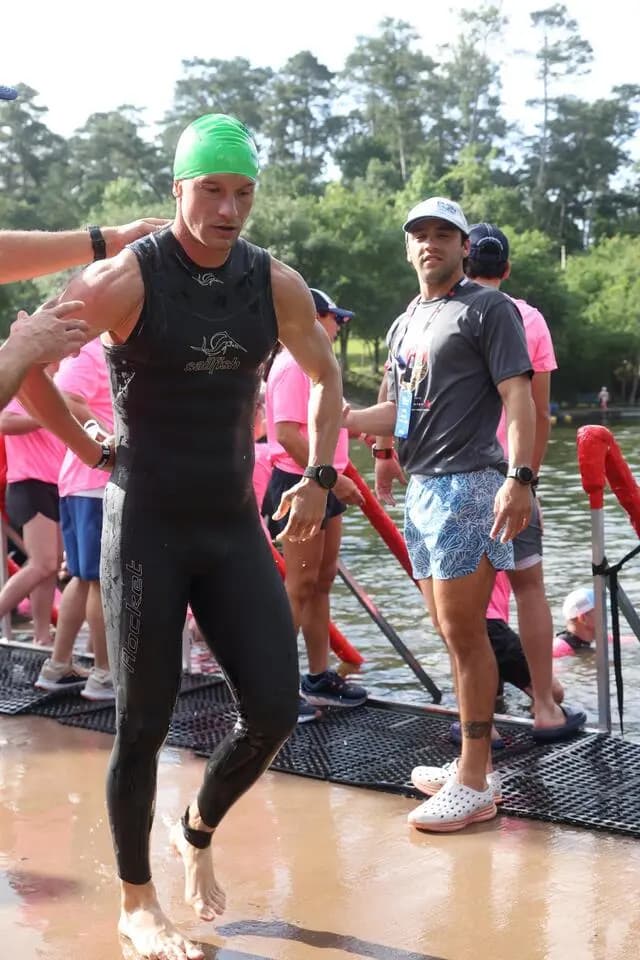
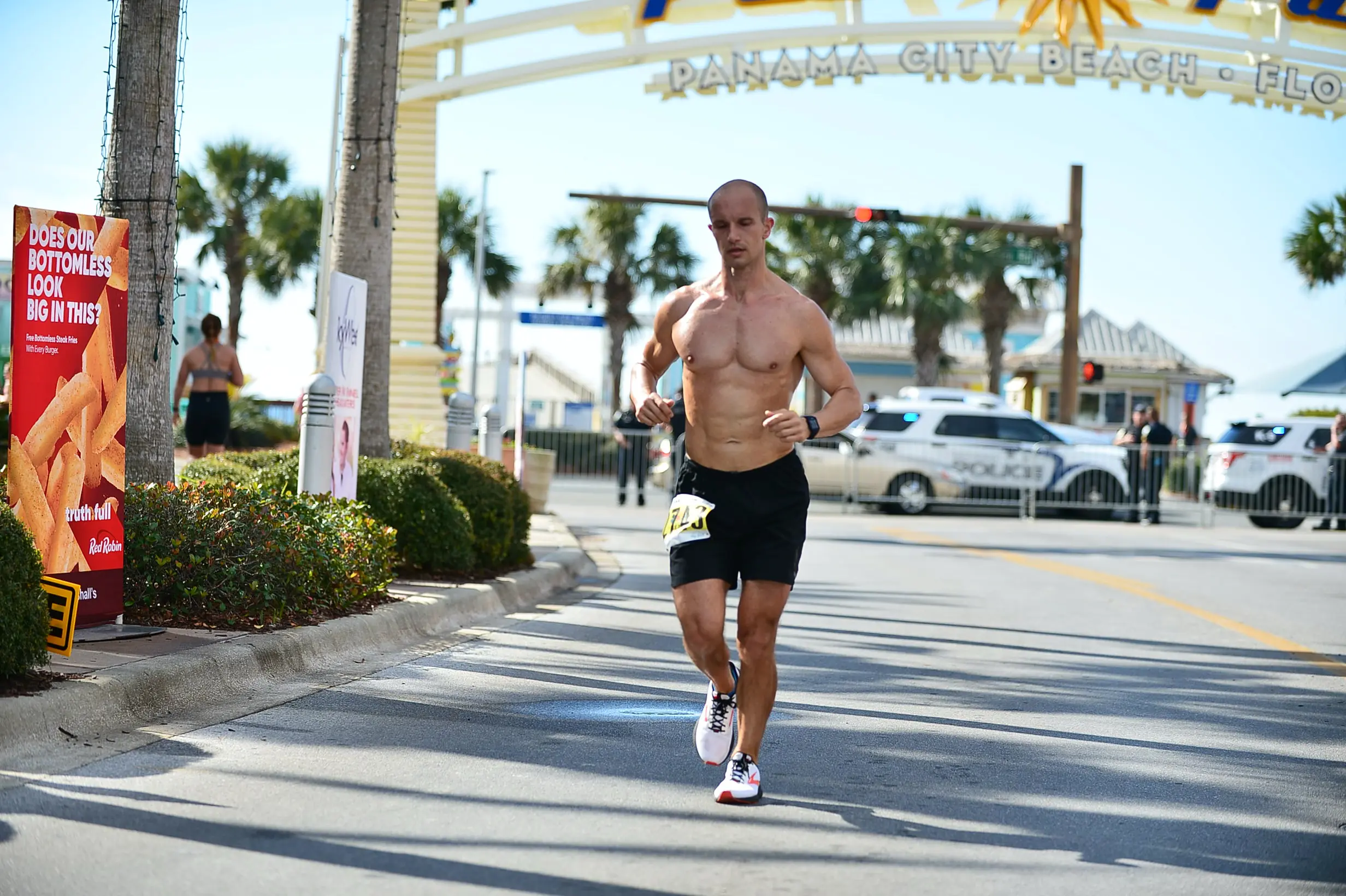
Outside of my professional work, I’m an endurance athlete, entrepreneur, and lifelong learner. Whether I’m training for an ultramarathon, preparing for an Ironman, exploring new research, building businesses, or spending time outdoors, I’m constantly searching for better ways to improve health, performance, and quality of life.
At the core of everything I do is a simple belief:
Performance and longevity are not opposing goals. The healthiest, most fulfilled, and highest-performing people understand how to balance both.
My mission is to help bridge the gap between science and practice by translating research into actionable strategies that improve performance, health, resilience, and longevity.
This website is where I’ll share ideas, lessons, and experiences from professional sports, endurance training, leadership, business, and life. My hope is that the content helps others think differently about what it means to perform at a high level—not just for a season, but for a lifetime.
Thanks for being here.